
Recommended Services


Supported Scripts

Introduction
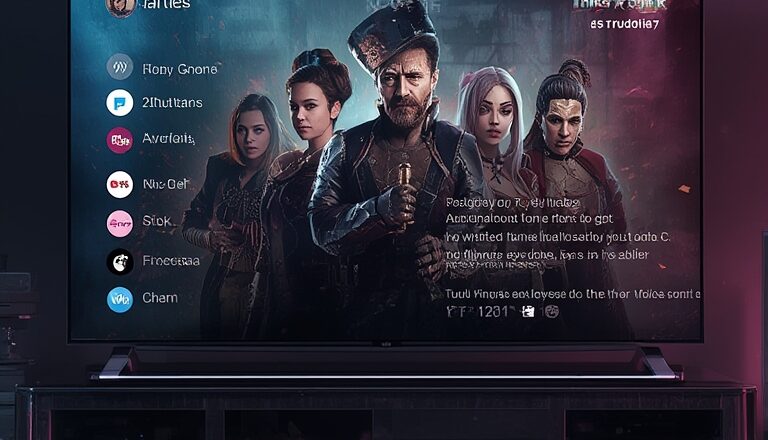
In today’s digital entertainment landscape, traditional cable television is rapidly being replaced by more flexible streaming solutions. If you’ve been wondering what is iptv, you’re not alone—millions of viewers worldwide are making the switch to Internet Protocol Television for its convenience and cost-effectiveness. IPTV delivers television content through internet protocols rather than traditional satellite or cable formats, offering unprecedented control over what you watch and when you watch it. Understanding iptv meaning is essential for anyone looking to cut the cord and embrace modern streaming technology. This comprehensive guide will walk you through everything you need to know about setting up and optimizing your IPTV experience, from selecting the right service provider to troubleshooting common issues, ensuring you get the most value from your subscription.
Step-by-Step Instructions
Step 1: Choose a Reliable IPTV Service Provider
Begin your journey by researching reputable IPTV providers that offer comprehensive channel packages, reliable streaming quality, and excellent customer support. Look for services with positive user reviews, transparent pricing structures, and trial periods that allow you to test their offerings before committing long-term.
Step 2: Verify Your Internet Connection
Before subscribing, ensure your internet connection meets minimum requirements. Most IPTV services require at least 10-25 Mbps for standard definition content and 25-50 Mbps for high-definition or 4K streaming. Run speed tests during different times to confirm consistent bandwidth availability.
Step 3: Select Your Streaming Device
Choose a compatible device for your IPTV service. Popular options include Android TV boxes, Amazon Fire Stick, Apple TV, Smart TVs, or dedicated IPTV set-top boxes. When learning what is iptv technology, you’ll discover it works seamlessly across multiple platforms, giving you flexibility in device selection.
Step 4: Download and Install the IPTV Application
Once you’ve subscribed to a service, download the provider’s official application or a compatible IPTV player like IPTV Smarters Pro, Perfect Player, or TiviMate. Follow installation prompts carefully and grant necessary permissions for optimal functionality.
Step 5: Enter Your Subscription Credentials
Input your username, password, and server URL provided by your IPTV service. Some providers offer M3U playlist URLs or Xtream Codes API credentials. Understanding iptv meaning includes knowing these technical terms that facilitate content delivery to your device.
Step 6: Configure Settings for Optimal Performance
Adjust video quality settings, enable hardware acceleration if available, and configure parental controls if needed. Customize your channel list by creating favorites and organizing content categories according to your viewing preferences.
Step 7: Test Your Setup
Browse through different channels, test video-on-demand features, and verify that the electronic program guide (EPG) displays correctly. Check both live channels and archived content to ensure full functionality across all service features.
Tips
Optimize Your Network Configuration: Connect your streaming device directly to your router using an Ethernet cable whenever possible to eliminate Wi-Fi interference and ensure stable, high-quality streaming with minimal buffering.
Regular Application Updates: Keep your IPTV application updated to the latest version to benefit from security patches, bug fixes, and new features that enhance your viewing experience.
Use a VPN for Privacy: Consider using a Virtual Private Network to encrypt your internet traffic and protect your privacy while streaming content, especially when accessing geo-restricted channels.
Clear Cache Periodically: Regularly clear your application cache to prevent performance degradation and resolve playback issues that may develop over time with extensive use.
Backup Your Settings: Save your configuration settings, playlists, and favorite channels to quickly restore your setup if you need to reinstall the application or switch devices.
Alternative Methods
Smart TV Native Applications: Many modern smart TVs come with built-in IPTV capabilities or allow direct installation of IPTV applications without requiring external devices, streamlining your entertainment setup.
Web Browser Streaming: Some IPTV providers offer web-based portals accessible through any internet browser, enabling you to watch content directly on computers, tablets, or smartphones without downloading dedicated applications.
Kodi Media Center Integration: Tech-savvy users can integrate IPTV services into Kodi using PVR IPTV Simple Client add-ons, creating a unified entertainment hub that combines live television with local media libraries.
Mobile Applications: Install IPTV applications on iOS or Android smartphones and tablets for portable entertainment that travels with you, perfect for watching content during commutes or while traveling.
Conclusion
Setting up IPTV service transforms how you consume television content, offering unprecedented flexibility, affordability, and channel variety compared to traditional cable subscriptions. By following the step-by-step instructions outlined above, you’ll quickly master the technical aspects and begin enjoying thousands of channels and on-demand content. Remember that understanding what is iptv and its capabilities empowers you to make informed decisions about providers and configurations that best suit your entertainment needs. As you become more familiar with iptv meaning and functionality, you’ll discover advanced features like catch-up TV, multi-screen viewing, and personalized recommendations that further enhance your experience. The transition to IPTV represents not just a change in technology but a fundamental shift toward viewer-controlled, internet-based entertainment that continues evolving with consumer demands. Take time to explore your service’s full capabilities, experiment with different settings, and enjoy the freedom that modern streaming technology provides.
Share this Post

Best Way to Grow 7 What is IPTV
iptv-uk.cloudProven way to grow: What Is IPTV? 5 Facts Inside
iptv-uk.cloud