
Recommended Services


Supported Scripts

Introduction
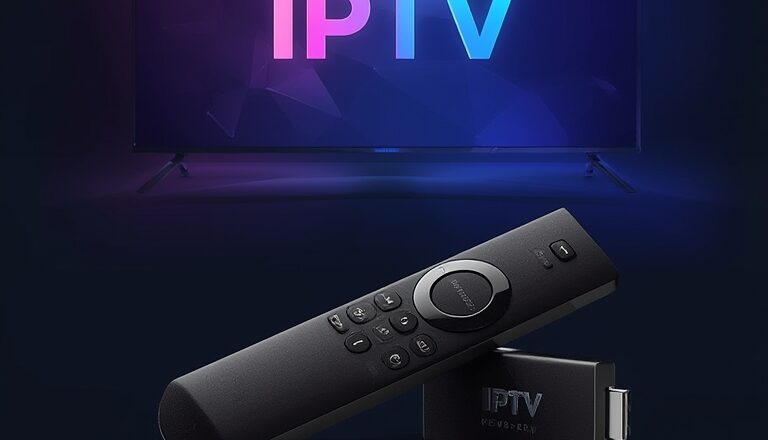
In today’s digital entertainment landscape, understanding what is iptv has become essential for cord-cutters and streaming enthusiasts alike. Internet Protocol Television represents a revolutionary shift in how we consume media content, delivering television programming through internet connections rather than traditional satellite or cable formats. As more households embrace this technology, knowing the iptv meaning and how to optimize your streaming setup becomes crucial for maximizing your viewing experience. This comprehensive guide will walk you through everything you need to create the perfect IPTV environment in your home, from selecting the right hardware to configuring your network for seamless 4K streaming.
Step-by-Step Instructions
Step 1: Choose Your IPTV Service Provider
Begin by researching reputable IPTV service providers that offer the channels and content you desire. Look for providers with positive reviews, reliable customer support, and legal licensing agreements. Compare subscription plans, channel lineups, and pricing structures to find the best fit for your entertainment needs.
Step 2: Select Compatible Hardware
Invest in quality streaming devices such as Amazon Fire Stick, Roku, Apple TV, or Android TV boxes. Ensure your chosen device supports the resolution quality you want and has sufficient processing power. Understanding what is iptv technology helps you select hardware with adequate RAM (minimum 2GB) and storage capacity.
Step 3: Optimize Your Internet Connection
IPTV requires stable, high-speed internet. For standard definition streaming, you’ll need at least 10 Mbps, while HD content requires 20 Mbps, and 4K streaming demands 50 Mbps or higher. Connect your streaming device via Ethernet cable rather than Wi-Fi whenever possible for maximum stability.
Step 4: Install IPTV Application
Download your provider’s dedicated application or use compatible third-party players like IPTV Smarters Pro, Perfect Player, or TiviMate. Follow the installation prompts carefully, and ensure you’re downloading from official sources to avoid security risks.
Step 5: Configure Your IPTV Settings
Enter your subscription credentials, including username, password, and M3U URL or Xtream Codes API. The iptv meaning extends to these technical configurations that enable content delivery through specialized protocols.
Step 6: Organize Your Channel List
Create custom playlists, favorite channels, and organize content by genre. Most applications allow EPG (Electronic Program Guide) integration for scheduled programming information.
Step 7: Test and Troubleshoot
Stream various channels to test video quality, buffering performance, and audio synchronization. Adjust buffer size settings if experiencing lag or stuttering.
Tips
Enhance Network Performance: Use Quality of Service (QoS) settings on your router to prioritize IPTV traffic over other internet activities. This ensures smooth streaming even when multiple devices are connected.
Invest in VPN Protection: A reliable Virtual Private Network protects your privacy, encrypts your streaming data, and may help bypass geographical content restrictions while maintaining optimal connection speeds.
Regular Application Updates: Keep your IPTV applications and device firmware updated to benefit from performance improvements, security patches, and new feature additions.
Backup Configuration: Save your M3U playlists and configuration settings externally. This simplifies reinstallation if you need to reset your device or switch to another streaming box.
Monitor Data Usage: IPTV consumes significant bandwidth. If you have data caps, track your usage to avoid overage charges or throttling from your internet service provider.
Alternative Methods
Smart TV Integration: Many modern smart televisions include built-in IPTV applications, eliminating the need for external streaming devices. LG WebOS and Samsung Tizen platforms offer native support for popular IPTV players.
Browser-Based Streaming: Access IPTV content directly through web browsers on computers or laptops using HTML5 players. This method works well for occasional viewing without dedicated hardware.
Mobile Streaming: Install IPTV applications on smartphones and tablets for portable entertainment. Use screen mirroring or casting features to display content on larger screens when desired.
Set-Top Box Alternatives: Consider MAG boxes or Formuler devices specifically designed for IPTV delivery. These specialized units often provide superior performance compared to general-purpose streaming devices.
Conclusion
Mastering IPTV technology opens doors to unlimited entertainment possibilities, combining affordability with extensive content libraries from around the globe. By following this comprehensive guide and understanding what is iptv at its core, you’ve gained the knowledge to build a professional-grade streaming setup in your home. Remember that the iptv meaning encompasses both the technical infrastructure and the user experience it delivers. Whether you’re watching live sports, international programming, or on-demand movies, proper setup ensures crystal-clear picture quality and uninterrupted streaming. Start with the basics outlined here, experiment with different configurations, and continuously optimize your system based on performance. As IPTV technology evolves, staying informed about new features and best practices will help you maintain the ultimate viewing experience for years to come.
Share this Post

Quick way to grow 9 what is iptv
iptv-uk.cloudProven way to grow 7 what is iptv Benefits
iptv-uk.cloud