
Recommended Services


Supported Scripts
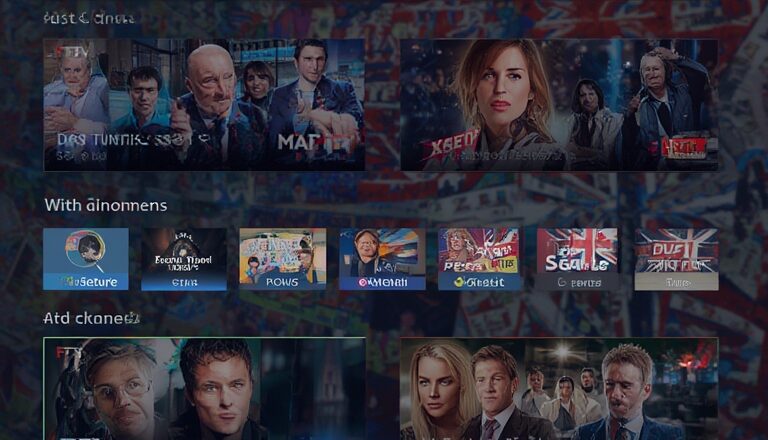

Introduction
In today’s digital age, streaming entertainment has become the preferred method for consuming media content. If you’ve been exploring modern television alternatives, you’ve likely encountered the term what is iptv, which stands for Internet Protocol Television. This revolutionary technology delivers television programming through internet connections rather than traditional satellite or cable formats. Understanding the iptv meaning is essential for anyone looking to cut the cord and embrace flexible, cost-effective viewing options. This comprehensive guide will walk you through everything you need to know about IPTV, from setup to optimization, ensuring you can make informed decisions about your entertainment choices.
Step-by-Step Instructions
Step 1: Choose Your IPTV Service Provider
Research reputable IPTV providers that offer the content channels you desire. Compare pricing structures, channel lineups, and customer reviews. Look for services that provide free trials, allowing you to test streaming quality before committing financially.
Step 2: Verify Your Internet Connection
Ensure your broadband connection meets minimum requirements. For standard definition content, you’ll need at least 5 Mbps, while high-definition streaming requires 10-15 Mbps. Understanding what is iptv technology helps you appreciate why stable internet connectivity is fundamental to smooth streaming experiences.
Step 3: Select Compatible Hardware
Choose appropriate devices for accessing your IPTV service. Options include smart TVs, dedicated set-top boxes, streaming sticks (like Amazon Fire Stick or Roku), Android boxes, or even smartphones and tablets. Most modern devices support IPTV applications natively.
Step 4: Install the IPTV Application
Download your provider’s dedicated app from the device’s official app store. Alternatively, install popular third-party IPTV players like IPTV Smarters Pro, Perfect Player, or GSE Smart IPTV. These applications support M3U playlists and Xtream Codes API connections.
Step 5: Configure Your IPTV Service
Enter your subscription credentials provided by your service provider. This typically includes a username, password, and server URL. For M3U playlist configurations, simply upload the playlist URL into your chosen application. Grasping the iptv meaning ensures you understand how these protocols deliver content seamlessly to your devices.
Step 6: Organize Your Channel List
Customize your channel lineup by creating favorites lists, organizing channels by category (sports, news, entertainment), and removing unwanted options. This personalization enhances your viewing experience significantly.
Step 7: Test and Optimize Performance
Start streaming various channels to test buffering, picture quality, and audio synchronization. Adjust video quality settings within your application based on your internet speed capabilities.
Tips
Enhance Your Streaming Experience with These Professional Recommendations:
Use a wired Ethernet connection instead of Wi-Fi whenever possible to reduce buffering and improve stream stability. Wireless connections are convenient but often introduce latency and packet loss.
Invest in Quality Equipment
Choose devices with sufficient processing power and RAM. Budget devices may struggle with high-definition content, causing frustrating playback issues.
Enable VPN Protection
Consider using Virtual Private Network services to protect your privacy, bypass geographical restrictions, and prevent ISP throttling that might affect streaming performance.
Regular Maintenance
Clear application cache periodically to maintain optimal performance. Outdated cache files can cause playback errors and slow response times.
Monitor Data Consumption
IPTV streaming consumes significant bandwidth. If you have data caps, track usage carefully to avoid overage charges from your internet service provider.
Create Multiple Profiles
If your service allows, establish separate user profiles for family members with age-appropriate content restrictions and personalized channel selections.
Alternative Methods
Browser-Based Streaming
Some IPTV providers offer web-based portals accessible through any browser, eliminating the need for dedicated applications. This method works excellently for occasional viewing on computers.
Smart TV Built-In Applications
Modern smart televisions often feature pre-installed IPTV apps or support sideloading applications directly, bypassing external devices entirely.
Mobile Streaming with Screen Mirroring
Stream IPTV content on smartphones or tablets, then cast to larger screens using Chromecast, AirPlay, or similar mirroring technologies. This approach provides flexibility and portability.
MAG Boxes and Dedicated IPTV Devices
Professional-grade set-top boxes designed specifically for IPTV offer superior performance and reliability compared to generic streaming devices, though at higher price points.
Gaming Console Integration
PlayStation and Xbox systems support various IPTV applications, allowing you to consolidate entertainment systems and reduce device clutter.
Conclusion
Embracing IPTV technology represents a significant step toward modernizing your entertainment consumption habits. By now, you thoroughly understand what is iptv and possess the knowledge needed to implement this solution successfully. The flexibility, affordability, and extensive content options make IPTV an increasingly popular choice for households worldwide. Remember that the iptv meaning extends beyond simple internet-based television—it represents a fundamental shift in how we access and consume media content. Whether you choose traditional set-top boxes, smartphone applications, or smart TV integrations, the key to success lies in selecting reliable service providers, maintaining robust internet connectivity, and optimizing your setup for peak performance. Start your IPTV journey today by following these comprehensive instructions, and enjoy unlimited entertainment possibilities at your fingertips. Always ensure you’re using legitimate services that respect content licensing and copyright regulations to support content creators and maintain ethical viewing practices.
Share this Post

Best Way to Grow 2024: What is IPTV
khalil waeBest way to grow IPTV 2024 what is iptv
khalil wae