
Recommended Services


Supported Scripts


Introduction
In today’s streaming-centric world, understanding what is iptv has become essential for anyone looking to revolutionize their television viewing experience. IPTV, or Internet Protocol Television, represents a paradigm shift from traditional broadcasting methods, delivering content through internet connections rather than satellite or cable signals. This comprehensive guide will walk you through everything you need to know about this innovative technology, while also exploring iptv meaning in practical contexts. Whether you’re a cord-cutter, technology enthusiast, or simply curious about modern streaming solutions, understanding this technology will empower you to make informed decisions about your entertainment options.
Step-by-Step Instructions
Step 1: Understanding the Technology Foundation
To fully grasp what is iptv, start by recognizing that it uses your existing internet infrastructure to deliver television programming. Unlike conventional broadcast methods that transmit signals through fiber-optic cables or radio waves, IPTV converts television signals into data packets transmitted over IP networks.
Step 2: Choosing Your IPTV Service Provider
Research reputable IPTV providers that align with your viewing preferences and budget. Consider factors like channel selection, video quality (HD, 4K), streaming reliability, customer support, and device compatibility. The iptv meaning extends beyond just streaming—it encompasses the entire ecosystem of content delivery, user interface, and service quality.
Step 3: Checking Internet Requirements
Ensure your internet connection meets minimum speed requirements. For standard definition content, you’ll need at least 4-6 Mbps, while HD streaming requires 10-15 Mbps, and 4K content demands 25 Mbps or higher. A stable, high-speed connection is crucial for uninterrupted viewing.
Step 4: Selecting Compatible Devices
IPTV services work across multiple platforms including Smart TVs, Android boxes, Amazon Fire Stick, Apple TV, smartphones, tablets, and computers. Choose devices that support your preferred IPTV application and offer the features you desire.
Step 5: Installation and Configuration
Download the recommended application from your provider, install it on your chosen device, and enter your subscription credentials. Most services provide detailed setup guides specific to different platforms, making the process straightforward even for beginners.
Step 6: Optimizing Your Viewing Experience
Configure picture quality settings, parental controls, favorites lists, and electronic program guides (EPG) to personalize your interface. Test different streaming quality options to find the optimal balance between video quality and bandwidth consumption.
Tips
Maximize Network Performance: Connect your streaming device via Ethernet cable rather than Wi-Fi whenever possible, as wired connections provide more stable, faster speeds essential for buffer-free streaming.
Use VPN Services Wisely: Consider implementing a Virtual Private Network to enhance privacy and potentially access geo-restricted content, though always ensure compliance with service terms and local regulations.
Regular Application Updates: Keep your IPTV applications updated to benefit from security patches, new features, and performance improvements that enhance overall user experience.
Invest in Quality Hardware: While IPTV works on various devices, investing in premium streaming hardware with robust processors and sufficient memory ensures smoother navigation and faster load times.
Monitor Bandwidth Usage: If you have data caps, track your consumption patterns and adjust streaming quality during peak usage periods to avoid overage charges or throttling.
Alternative Methods
IPTV Aggregator Platforms: Instead of subscribing to a single provider, consider aggregator services that bundle multiple content sources, offering broader channel selections and often better value propositions.
Self-Hosted IPTV Solutions: Tech-savvy users can explore self-hosted options using software like Plex or Jellyfin combined with legitimate streaming sources, providing complete control over content organization and accessibility.
Hybrid Approaches: Combine IPTV subscriptions with free ad-supported streaming services (FAST channels) and on-demand platforms to create a comprehensive entertainment ecosystem without excessive costs.
Trial Periods: Most legitimate providers offer trial periods ranging from 24 hours to one month. Utilize these opportunities to test service quality, channel availability, and interface usability before committing to long-term subscriptions.
Community Recommendations: Join online forums and communities dedicated to streaming technology where users share experiences, provider reviews, and troubleshooting advice based on real-world usage.
Conclusion
Understanding what is iptv opens doors to a flexible, cost-effective alternative to traditional cable and satellite television services. This technology has democratized content consumption, offering unprecedented control over what, when, and how you watch television. By following the step-by-step instructions outlined above, implementing optimization tips, and exploring alternative approaches, you can create a personalized viewing experience tailored to your preferences and budget. The iptv meaning continues to evolve as technology advances, bringing enhanced features like cloud DVR, multi-screen viewing, and interactive applications. As you embark on your IPTV journey, remember to prioritize legitimate service providers, maintain adequate internet infrastructure, and stay informed about emerging developments in this dynamic field. With proper setup and optimization, IPTV can transform your entertainment experience while offering significant savings compared to traditional broadcasting methods.
Share this Post
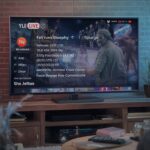
Best way to grow: what is iptv in 2026
iptv-uk.cloudProven way to grow 5 what is iptv streaming
iptv-uk.cloud