
Recommended Services


Supported Scripts
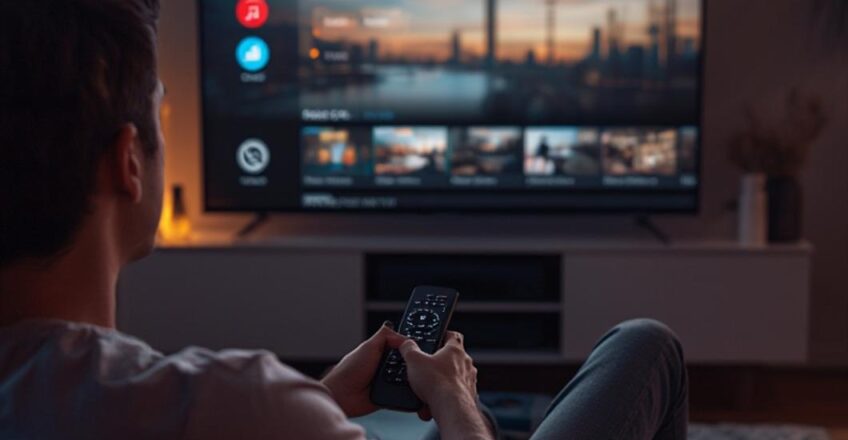

Are you tired of paying exorbitant cable bills while being limited to a handful of channels? The way we consume entertainment has fundamentally changed, and IPTV for Firestick represents the future of home streaming. With just a few simple steps, you can unlock thousands of live channels, movies, and shows from around the world—all at a fraction of traditional cable costs. In this comprehensive guide, we’ll walk you through everything you need to know about setting up the best IPTV for Firestick, transforming your entertainment experience forever.
Requirements & Equipment
Before diving into the setup process, let’s ensure you have everything needed for a smooth installation. First and foremost, you’ll need a stable high-speed internet connection with at least 15-20 Mbps for HD streaming. Your Amazon Firestick (2nd generation or later) serves as the primary device, though this setup also works on Fire TV Cube and Fire TV Edition smart TVs. You’ll need an active subscription to an IPTV service—we recommend starting with a reputable provider that offers a free trial to test compatibility.
For the software side, you’ll need to install either the Downloader app (for manual installation) or access to the Amazon Appstore for direct IPTV player downloads. Popular IPTV players include IPTV Smarters, TiviMate, and Perfect Player. While not mandatory, a VPN service is highly recommended to protect your privacy and potentially bypass geographic restrictions. An ethernet adapter can provide more stable connectivity than WiFi if you experience buffering issues. Finally, ensure you have your IPTV subscription credentials (username, password, and M3U playlist URL or Xtream Codes API) readily available before beginning the setup.
Timing / Growing Schedule
One of the most appealing aspects of IPTV for Firestick is the rapid deployment compared to traditional cable installations. The initial setup typically takes 15-30 minutes, depending on your familiarity with the Firestick interface. Once you’ve installed your chosen IPTV player app, activation is nearly instantaneous—simply enter your subscription credentials, and you’ll have immediate access to your channel lineup.
Unlike cable companies that may require scheduling appointments and waiting days for installation, IPTV activation happens in real-time. Most providers offer instant activation upon payment, meaning you could theoretically sign up and be streaming within an hour. The growing schedule here isn’t about waiting for content to become available—it’s about you growing your entertainment options exponentially from day one. With thousands of channels and VOD content at your fingertips, your viewing options expand immediately without the traditional waiting periods associated with cable or satellite services.
Step-by-Step Instructions
Setting up the best IPTV for Firestick is straightforward when you follow these steps carefully:
1. Prepare Your Firestick: Navigate to Settings > My Fire TV > Developer Options and enable “Apps from Unknown Sources.” This allows you to install third-party IPTV applications not available in the Amazon Appstore.
2. Install Downloader App: Search for “Downloader” in the Amazon Appstore and install it. This tool will enable you to sideload IPTV applications onto your Firestick.
3. Download IPTV Player: Open Downloader and enter the URL provided by your IPTV service provider for their recommended player app. Popular options include IPTV Smarters (typically found at https://www.iptvsmarters.com/) or TiviMate. Download and install the application.
4. Configure Your Service: Launch the IPTV player and select your preferred method of adding your subscription—either through M3U playlist URL, Xtream Codes API, or manual playlist upload. Enter the credentials provided by your IPTV service, including your username, password, and the server URL or M3U link.
5. Optimize Settings: Within your IPTV app, adjust buffer settings (typically 10-15 seconds for optimal performance), enable hardware acceleration if available, and organize your channel list by favorites for easier navigation.
6. Test Your Connection: Select a live channel to test streaming quality. If you experience buffering, consider lowering the stream quality in settings or connecting via ethernet instead of WiFi.
Features / Advantages
The best IPTV for Firestick offers numerous advantages over traditional cable and even some competing streaming services. Cost efficiency stands out immediately—most IPTV subscriptions cost between $10-20 per month compared to $50-150 for cable packages, while offering exponentially more content. The channel selection is truly global, providing access to international sports, news, and entertainment that would be prohibitively expensive or impossible to access through conventional means.
IPTV services typically include extensive Video On Demand (VOD) libraries with thousands of movies and TV series, often updated more frequently than mainstream streaming platforms. The multi-screen capability allows simultaneous streaming on multiple devices under a single subscription, perfect for households with diverse viewing preferences. Electronic Program Guides (EPG) provide TV schedules similar to cable boxes but with the added benefit of catch-up TV features that let you watch programs aired in the past 24-72 hours. The flexibility to watch on various devices—from your Firestick to smartphone to computer—means your entertainment travels with you, unbound by traditional geographic limitations.
Tips, Alternative Devices, and Configuration Advice
For the optimal IPTV experience on Firestick, consider these practical tips and alternatives. First, always use a wired ethernet connection when possible, as this provides more stable bandwidth than WiFi and significantly reduces buffering. If WiFi is your only option, position your router close to your streaming device and consider a WiFi extender for better signal strength.
Alternative IPTV players worth exploring include TiviMate Premium for its superior EPG interface and recording capabilities, or Perfect Player for its customizable layout options. For mobile viewing, consider setting up the same IPTV service on your smartphone using apps like GSE Smart IPTV or IPTV Smarters Pro, allowing seamless transitions between devices.
Configuration-wise, experiment with different buffer sizes—while 10 seconds works for most, some users prefer 15-20 seconds for more stable playback, especially on slower connections. Enable “Hardware Acceleration” in your IPTV app settings if available, as this offloads video decoding to your device’s GPU for smoother performance. Consider creating multiple profiles if your provider allows, organizing content by language, region, or family member preferences.
For international content, select server locations closest to the content source rather than your physical location—this often improves stream quality for specific channels. Finally, regularly clear your IPTV app’s cache through Firestick settings > Applications > Manage Installed Applications to prevent performance degradation over time.
Common Mistakes to Avoid
When setting up IPTV for Firestick, several common pitfalls can hinder your experience. The most frequent mistake is neglecting internet speed requirements—attempting to stream 4K content on a 10 Mbps connection will result in constant buffering. Always verify your actual internet speed using tools like Speedtest.net and match your subscription package to your available bandwidth.
Another critical error is skipping the VPN setup. Without a VPN, your IPTV streaming could be monitored by your ISP, potentially leading to throttling during peak hours or, in some jurisdictions, legal complications depending on your content source. Choose a reputable VPN service with Firestick compatibility and servers optimized for streaming.
Users often fail to properly configure their IPTV player settings, accepting default configurations that may not match their specific needs. Take time to adjust buffer sizes, select appropriate video decoders, and organize channel lists. Additionally, many people download IPTV apps from untrustworthy sources outside the official Amazon Appstore, risking malware infections. Always verify URLs and stick to well-known IPTV player applications.
A particularly frustrating mistake is not testing the service during a free trial period before committing to a long-term subscription. IPTV service quality varies dramatically between providers, and what works excellently for one user may be unreliable for another based on geographic location and internet infrastructure. Finally, failing to keep your Firestick’s software updated can lead to compatibility issues with newer IPTV applications—regularly check for system updates in Settings > My Firestick > About > Check for Updates.
Maintenance / Troubleshooting Tips
Maintaining your IPTV setup ensures consistent, high-quality streaming over the long term. Regularly update both your Firestick’s operating system and your IPTV applications to benefit from performance improvements and bug fixes. Most IPTV services require periodic playlist updates—set a reminder to refresh your M3U URL or re-authenticate with your provider every 30 days, even if your subscription remains active.
For troubleshooting buffering issues, first verify that no other devices on your network are consuming excessive bandwidth through large downloads or uploads. If problems persist, try switching between different streaming protocols within your IPTV app (typically between UDP and HTTP). Lower your stream quality settings temporarily to identify if the issue relates to your internet speed rather than the service itself.
When channels fail to load or display errors, this often indicates server-side issues with your IPTV provider rather than your setup. Most quality providers offer multiple servers—switch to an alternative server within your app settings. For persistent problems, clear the app’s cache and data through Firestick settings, then re-enter your credentials.
Subscription management requires attention to renewal dates to avoid service interruptions. Set calendar reminders a few days before expiration to evaluate whether to continue with your current provider or explore alternatives. If you experience audio-video sync issues, this typically indicates either a problematic channel source or insufficient processing power—try a different channel or restart your Firestick completely.
For optimal long-term performance, perform a periodic factory reset of your Firestick every 6-12 months, backing up essential data first. This clears accumulated system clutter and can resolve subtle performance issues that develop over time.
Conclusion
Setting up IPTV for Firestick represents a transformative step in how you consume entertainment, offering unprecedented access to global content at a fraction of traditional cable costs. Throughout this guide, we’ve explored everything from the initial requirements and equipment needed to detailed step-by-step installation instructions, ensuring you can confidently set up the best IPTV for Firestick experience possible. The advantages are clear: massive cost savings, extensive content libraries, multi-device flexibility, and the freedom to watch what you want, when you want it.
Remember that success with IPTV depends on choosing a reliable service provider, maintaining adequate internet speeds, and properly configuring your applications. By following the tips and avoiding the common mistakes outlined in this guide, you’ll enjoy buffer-free streaming and access to thousands of channels from around the world. The future of television is here, and it fits in your pocket, travels with you, and puts you in complete control of your entertainment destiny.
Ready to cut the cord and embrace the future of streaming? Take the first step today by researching reputable IPTV providers offering free trials, then follow our comprehensive setup guide to transform your Firestick into an entertainment powerhouse. Have you already made the switch to IPTV? Share your experience in the comments below, and don’t forget to explore our related posts on optimizing streaming performance and finding the best VPN services for IPTV users.
FAQs
Q: Is IPTV legal to use on Firestick?
A: IPTV technology itself is legal, but the legality depends on the content source and your location. Using licensed IPTV services that have proper broadcasting rights is completely legal. However, accessing copyrighted content without permission may violate laws in your jurisdiction. Always research your local regulations and consider using a VPN for privacy.
Q: What internet speed do I need for smooth IPTV streaming?
A: For standard definition (SD) content, 5-10 Mbps is generally sufficient. For high definition (HD) 1080p streaming, aim for 15-25 Mbps. 4K Ultra HD content requires 25-35 Mbps or higher. For the best experience with the best IPTV for Firestick, a stable 20+ Mbps connection is recommended, especially if multiple devices will be using your network simultaneously.
Q: Why does my IPTV keep buffering and how can I fix it?
A: Buffering typically results from insufficient internet speed, network congestion, or suboptimal settings. First, test your actual internet speed and ensure it meets the requirements for your stream quality. Connect via ethernet instead of WiFi if possible. Within your IPTV app, increase the buffer size to 15-20 seconds. Close other applications using bandwidth on your network. If issues persist, try switching to a different server within your IPTV application or contact your service provider.
Q: Can I use the same IPTV subscription on multiple devices?
A: This depends on your specific IPTV provider’s terms of service. Many providers allow simultaneous connections on 1-5 devices, while others restrict usage to a single device at a time. Some offer different subscription tiers with varying connection allowances. Check your provider’s policy, and if you need multi-device support, look for family or premium plans that explicitly allow multiple concurrent streams.
Share this Post

Quick way to grow 7 Tips for what is iptv
iptv-uk.cloudBest way to grow: what is iptv in 2026
iptv-uk.cloud