

Introduction
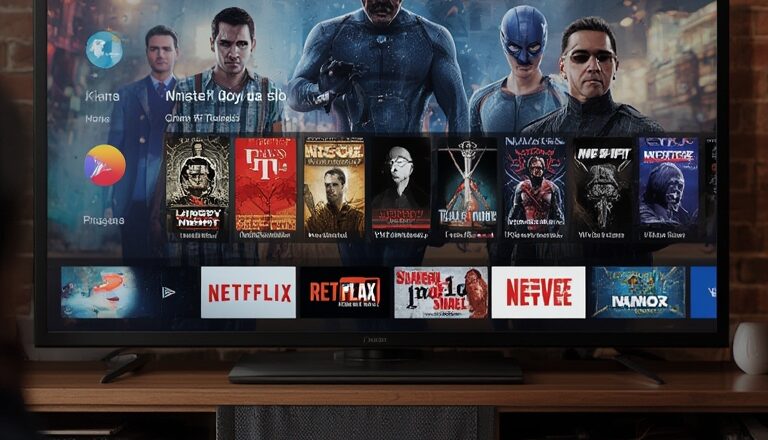
In today’s digital entertainment landscape, streaming technology has revolutionized how we consume television content. If you’re exploring modern streaming solutions, understanding what is iptv becomes essential for making informed decisions about your viewing experience. IPTV, or Internet Protocol Television, delivers television programming through internet networks rather than traditional satellite or cable formats. This comprehensive guide will walk you through everything you need to know about iptv meaning and how to implement this technology effectively in your home entertainment system. Whether you’re a tech enthusiast or simply looking to cut the cord, this article provides actionable insights to help you navigate the world of internet-based television streaming with confidence and ease.
Step-by-Step Instructions
Step 1: Research and Select Your IPTV Service Provider
Begin by researching reputable IPTV providers that offer the channels and content you desire. Look for services with positive user reviews, reliable customer support, and transparent pricing structures. Compare subscription plans, channel packages, and streaming quality options to find the best fit for your entertainment needs.
Step 2: Verify Your Internet Connection Requirements
Before subscribing, ensure your internet connection meets the minimum speed requirements. For standard definition streaming, you’ll need at least 10 Mbps, while high-definition content requires 20 Mbps or higher. Understanding what is iptv technology helps you recognize that a stable, high-speed connection is crucial for uninterrupted viewing.
Step 3: Choose Your Streaming Device
Select a compatible device for your IPTV service. Popular options include smart TVs, Amazon Fire Stick, Android boxes, Apple TV, or dedicated IPTV set-top boxes. Consider factors like user interface, processing power, and storage capacity when making your selection.
Step 4: Install and Configure the IPTV Application
Download the official application provided by your IPTV service. Follow the installation prompts, enter your subscription credentials, and configure settings such as parental controls, language preferences, and video quality. The iptv meaning encompasses this entire setup process, which typically takes 10-15 minutes.
Step 5: Organize Your Channel Lists and Favorites
Customize your viewing experience by organizing channels into categories, creating favorite lists, and setting up electronic program guides (EPG). This personalization ensures quick access to your preferred content.
Step 6: Test and Optimize Streaming Quality
Stream various channels to test picture quality, buffering performance, and audio synchronization. Adjust video resolution settings based on your internet bandwidth to optimize performance.
Tips
Prioritize Security and Privacy: Always use VPN services when streaming IPTV content to protect your online privacy and encrypt your internet traffic. This safeguards your personal information from potential cyber threats.
Regular Application Updates: Keep your IPTV application updated to access new features, security patches, and improved streaming protocols that enhance your viewing experience.
Monitor Bandwidth Usage: Track your data consumption, especially if you have limited internet plans. Consider scheduling downloads during off-peak hours to maximize bandwidth efficiency.
Create Multiple User Profiles: If sharing your subscription with family members, establish separate profiles to maintain personalized recommendations and viewing histories.
Backup Configuration Settings: Save your IPTV settings and channel lists to cloud storage or external devices, ensuring quick restoration if you need to reinstall the application.
Invest in Quality Hardware: Use ethernet connections instead of Wi-Fi when possible, and ensure your router supports modern protocols like Wi-Fi 6 for optimal streaming performance.
Alternative Methods
Browser-Based IPTV Streaming: Some providers offer web-based portals that allow you to stream content directly through internet browsers without installing dedicated applications. This method works well for occasional viewing on computers or laptops.
Mobile Application Streaming: Download mobile IPTV apps for smartphones and tablets to enjoy content on-the-go. Many services support Chromecast or AirPlay for casting to larger screens.
Hybrid OTT Platforms: Consider over-the-top (OTT) streaming services that combine traditional IPTV features with on-demand content libraries, offering greater flexibility in content consumption.
Self-Hosted IPTV Solutions: Tech-savvy users can set up personal IPTV servers using software like Plex or Jellyfin, allowing complete control over content sources and streaming infrastructure.
Smart TV Built-in Applications: Many modern smart televisions come with pre-installed IPTV applications or support app marketplaces where you can download various streaming services directly.
Conclusion
Embracing IPTV technology opens up a world of entertainment possibilities, offering flexibility, affordability, and extensive content libraries that traditional cable simply cannot match. Throughout this guide, we’ve explored the fundamental aspects of what is iptv and provided detailed instructions for implementing this technology in your home. By following these step-by-step procedures, applying our expert tips, and considering alternative methods, you can create a customized streaming experience tailored to your preferences. Remember that understanding iptv meaning goes beyond technical definitions—it represents the future of television consumption, empowering viewers with unprecedented control over their entertainment choices. As streaming technology continues to evolve, staying informed about best practices ensures you’ll maximize your IPTV investment while enjoying seamless, high-quality content delivery for years to come.
Share this Post
Best way to grow what is iptv knowledge in 5 steps
iptv-uk.cloudQuick way to grow 7 Tips for what is iptv
iptv-uk.cloud