

Introduction
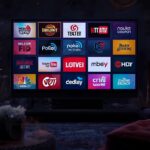
In today’s rapidly evolving digital landscape, streaming television content has become increasingly popular among cord-cutters and tech-savvy viewers. Understanding what is iptv can help you make informed decisions about your entertainment options. IPTV, or Internet Protocol Television, delivers television programming through internet connections rather than traditional cable or satellite formats. As more households embrace this technology, grasping the iptv meaning becomes essential for maximizing your streaming experience. This comprehensive guide will walk you through everything you need to know about setting up and optimizing your IPTV service for seamless entertainment.
Understanding the Fundamentals
Before diving into technical setup procedures, it’s crucial to understand how this streaming technology differs from conventional broadcasting methods. Unlike traditional television that relies on satellite signals or cable infrastructure, this internet-based solution uses your existing broadband connection to deliver content directly to your devices. This approach offers greater flexibility, customization, and often more affordable pricing structures compared to legacy television services.
Step-by-Step Instructions
Step 1: Choose Your IPTV Service Provider
Research reputable providers that offer content libraries matching your viewing preferences. Compare subscription packages, channel offerings, video quality options, and customer support availability. Look for providers with positive user reviews and reliable uptime statistics.
Step 2: Verify Your Internet Connection
Ensure your broadband connection meets minimum speed requirements. For standard definition content, you’ll need at least 5 Mbps, while high-definition streaming requires 10-15 Mbps, and 4K content demands 25 Mbps or higher. Understanding what is iptv technology requires recognizing that connection stability directly impacts viewing quality, so conduct speed tests during peak usage hours to guarantee consistent performance.
Step 3: Select Compatible Hardware
Identify devices that support your chosen service. Options include smart TVs, streaming boxes (Amazon Fire TV, Apple TV, Roku), Android boxes, or dedicated IPTV set-top boxes. Many services also offer applications for smartphones and tablets, expanding your viewing flexibility.
Step 4: Install Required Applications
Download and install the provider’s application or recommended media player. Popular options include VLC Media Player, Perfect Player, or provider-specific apps. Follow installation prompts carefully and grant necessary permissions when requested.
Step 5: Configure Your Service
Enter your subscription credentials, playlist URLs, or EPG (Electronic Program Guide) information provided by your service. The iptv meaning extends beyond simple streaming—it encompasses customizable channel lists, personalized favorites, and parental control settings that enhance your viewing experience.
Step 6: Optimize Streaming Settings
Adjust buffer sizes, video resolution preferences, and audio settings based on your internet capabilities and device specifications. Enable hardware acceleration if available to reduce processing strain and improve playback smoothness.
Tips
Enhance Connection Stability: Use wired Ethernet connections whenever possible rather than relying solely on Wi-Fi, as this eliminates wireless interference and provides consistent bandwidth delivery.
Implement VPN Protection: Consider using virtual private network services to encrypt your streaming traffic, protecting your privacy and potentially bypassing geographical content restrictions.
Regular Updates: Keep your streaming applications and device firmware current to access latest features, security patches, and performance improvements.
Create Organized Playlists: Categorize channels by genre, language, or family member preferences for easier navigation through extensive content libraries.
Monitor Data Usage: Track your bandwidth consumption if you have data caps, adjusting video quality settings during peak periods to avoid exceeding limits.
Alternative Methods
Mobile Streaming Solutions: Instead of traditional television setups, many users prefer smartphone-first approaches using dedicated apps that sync across multiple devices through cloud-based account management.
Browser-Based Viewing: Some providers offer web portals that eliminate the need for specialized hardware, allowing you to stream directly through modern web browsers on computers or laptops.
Hybrid Solutions: Combine traditional broadcast services with internet streaming through hybrid set-top boxes that integrate both delivery methods, providing backup options during internet outages.
Free vs. Premium Services: While subscription-based services offer reliability and content variety, several free alternatives exist with limited channel selections and advertisement-supported models suitable for budget-conscious viewers.
Conclusion
Mastering internet-based television streaming opens doors to unprecedented entertainment flexibility and cost savings. By following these comprehensive setup instructions and implementing optimization tips, you’ll create a robust streaming environment tailored to your household’s needs. Remember that understanding what is iptv technology empowers you to troubleshoot issues independently and make informed decisions about service upgrades or equipment changes. As the streaming landscape continues evolving, staying informed about the iptv meaning and emerging technologies ensures you’ll maximize your investment while enjoying cutting-edge entertainment options. Whether you’re transitioning from traditional cable or exploring streaming for the first time, these foundational principles will guide you toward a successful implementation that delivers quality content reliably and affordably.
Share this Post

Best way to grow Streaming 2024: what is iptv
iptv-uk.cloudBest Way to Grow: What is IPTV 2024
iptv-uk.cloud